NCEES PE Mechanical · the exam
The PE Mechanical exam
PE Mechanical is three separate exams — you sit one to get licensed. This page is the whole picture: what it is, the format all three share, which exam to pick, and how to get ready.
01
Choose your exam
You sit one exam. Pick the one that matches your day-to-day engineering work, where your experience does the most for you.
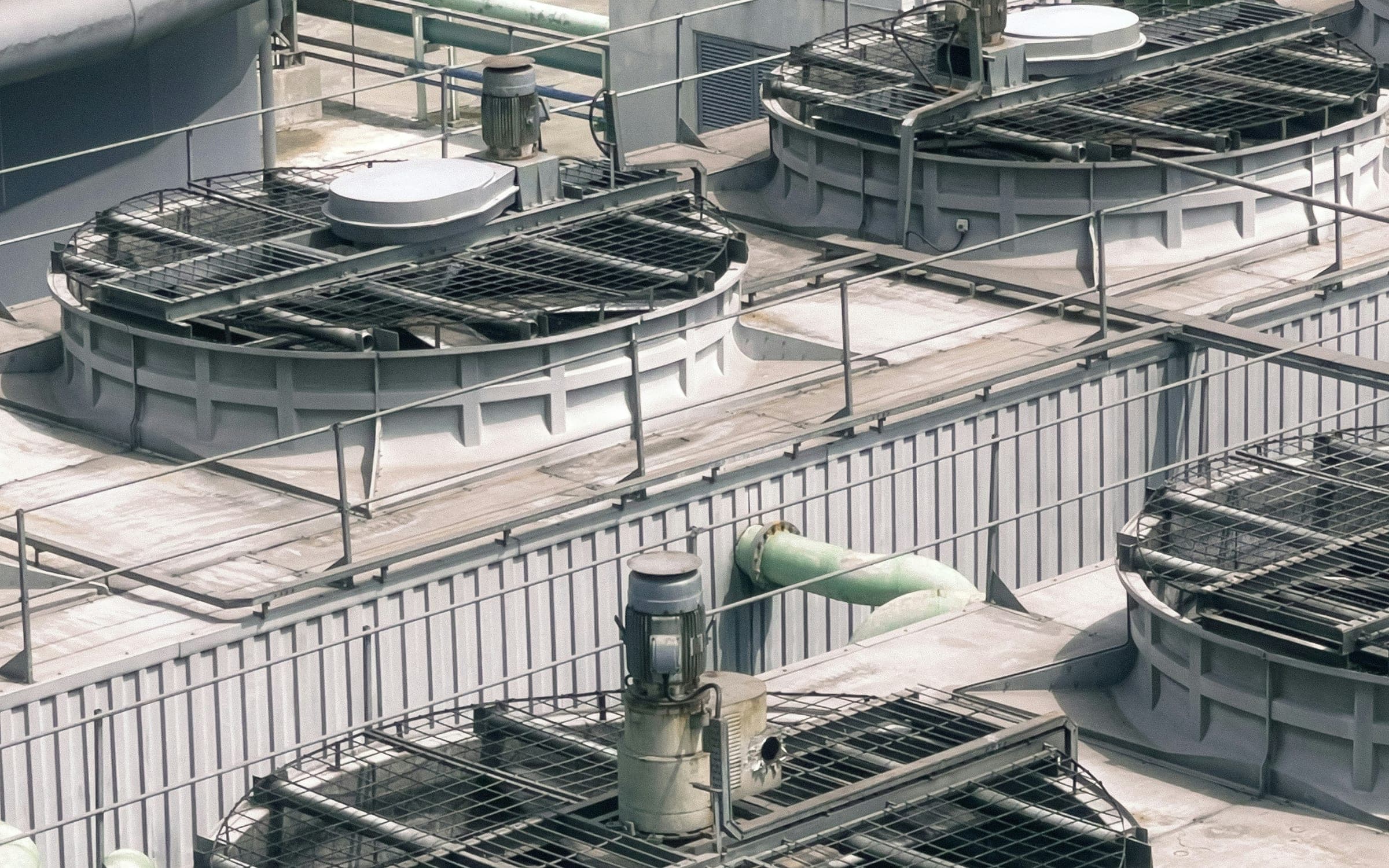
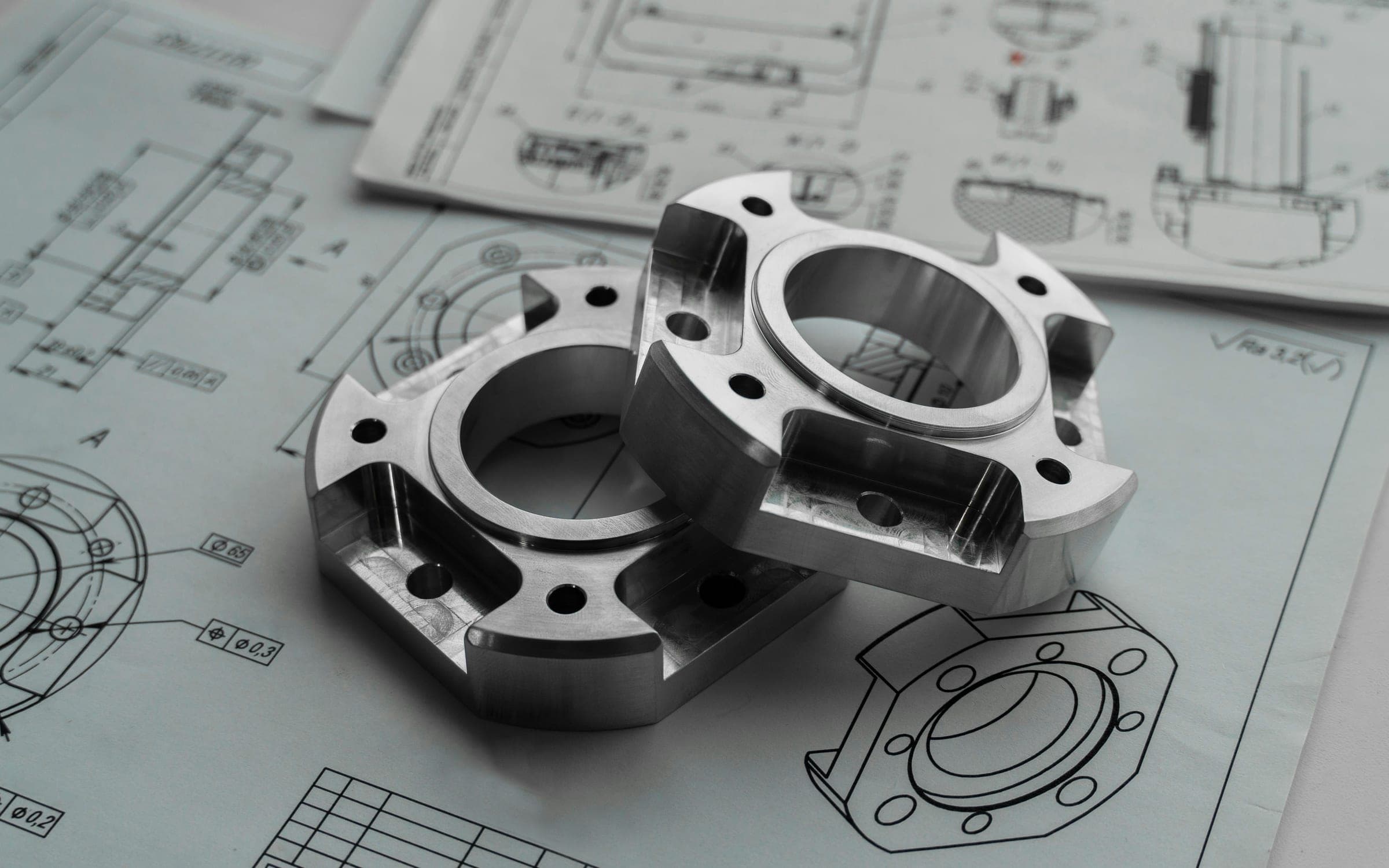
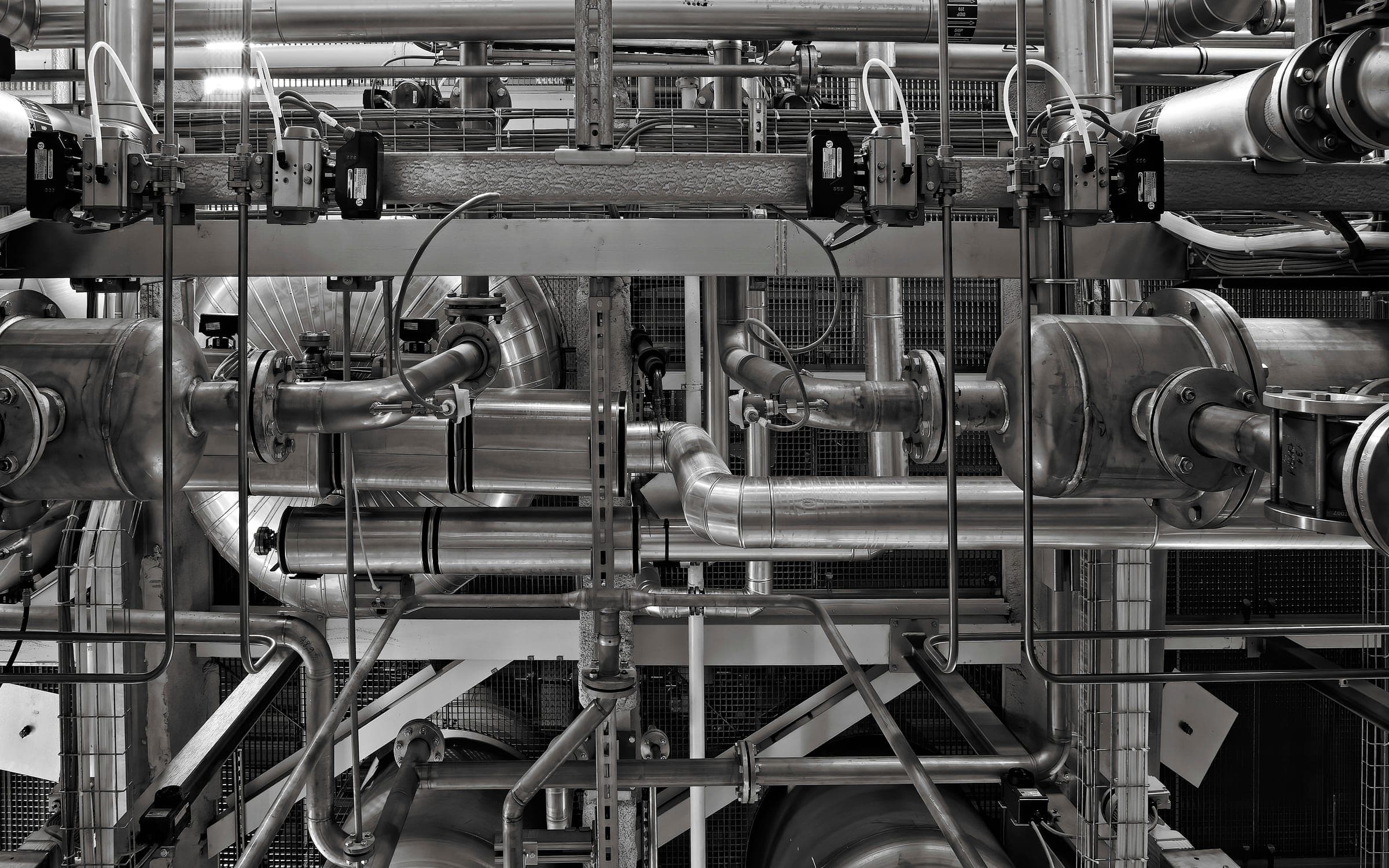
Still deciding? See which exam to take (the full breakdown — roles, industries, edge cases) and pass rates.
02
The format all three exams share
- 80 questions over a nine-hour appointment — about 8 hours of testing, plus the tutorial and one optional scheduled break.
- Computer-based and offered year-round at Pearson VUE.
- Closed book — your only reference is the on-screen NCEES PE Mechanical Reference Handbook, so navigating it fast is its own exam skill.
- Standard multiple choice plus alternative item types (drag-and-drop, point-and-click, multiple-correct, fill-in).
- Scored against a scaled cut score — NCEES publishes no fixed passing percentage. At ~6 minutes a question, pacing matters.
- Units vary by exam: HVAC & Refrigeration is U.S. customary; Machine Design & Materials and Thermal & Fluid Systems use both SI and U.S. customary.
More: What to expect on exam day · Registration · Approved calculators · Using the Reference Handbook.
03
How candidates get ready
- 01
Pick the exam that matches your work.
- 02
Diagnose first — find your weak areas before you study, not after.
- 03
Go problems-first — drill exam-real problems, not chapters; let your misses set the plan.
- 04
Rehearse closed-book Handbook navigation until finding equations and tables is automatic.
- 05
Finish with timed, full-length mocks to lock in your eight-hour pace.
Plan on ~200–300 hours over about four months, weighted to your weak and heavy areas. How to pass the PE Mechanical exam — the full plan →
04
How CastorPrep covers the PE Mechanical exams
Exam-real problems, solved step by step.
Written to your exam's NCEES specification, area by area, and each one comes with a worked solution that shows the method, not just the number.
- A worked solution on every problem
- The Handbook section where the method has one
- All five of the exam's item formats, from fill-in to drag-and-drop
4,000 cfm of outdoor air at 95°F mixes with 12,000 cfm of return air at 75°F. Find the mixed-air dry-bulb temperature.
✓ Correct. The correct answer is B.
Worked solution
Weight by mass flow, not 50/50 — the outdoor air is a quarter of the stream:
06
Exam FAQ
How is the PE Mechanical exam structured?
Three separate exams — HVAC & Refrigeration, Machine Design & Materials, Thermal & Fluid Systems — and you sit one. Each is 80 questions over a nine-hour appointment (~8 hours of testing), closed book with the on-screen NCEES Reference Handbook, computer-based and offered year-round.
Which exam should I take?
The one that matches your engineering work — you only have to pass one. Compare the three above, or see the full pass-rate breakdown and the exam chooser.
What units does the exam use?
It depends on the exam: HVAC & Refrigeration is U.S. customary (USCS); Machine Design & Materials and Thermal & Fluid Systems use both SI and U.S. customary.
Open book or closed book?
Closed book. Your only reference is the on-screen NCEES PE Mechanical Reference Handbook, so knowing where things live in it is its own exam skill.
What score do I need to pass?
NCEES uses a scaled cut score and doesn't publish a fixed passing percentage. The goal is mastery of the tested areas, not a magic number.
How long should I study?
Most candidates need ~200–300 hours over about four months, weighted to weak and heavy areas.
What if it takes more than one attempt?
It's offered year-round, within NCEES/state-board attempt limits. A retake plan that changes the method — not just the hours — is what moves the score.